Most lists of B2B cold email templates start with a clever subject line. The seven below start with the buyer. They cover the situations that decide whether a meeting is even plausible, from founders who still grow through referrals to teams showing strain with a current tool.
Most cold emails fail before the first line because the sender borrowed the wording and skipped the situation. A product-launch observation is empty if that company does not sell that way. A vacancy line is noise if the role closed months ago. The popular fix is more personalisation. Extra detail on the wrong account still reads as a pitch.
A 2025 review of strictly cold email puts the average reply rate at 0.45%, from 34,393 replies on 7,530,489 emails, counting unique replies and excluding auto-replies and bounces, in the Belkins analysis. Founders and owners replied at 0.57%. Companies with 10,000+ employees sat at 0.22%. The list moves that number more than the flourish does.
Each template names the context, the signal that justifies sending, and the trade-offs. Sample emails are hypothetical. Campaign figures come from named H2 case studies, with the original metrics left as reported.
1. Referral-Gap Founder Introduction Template
Referral pipelines feel safe until they stall. A software studio or services firm can be known inside one circle and invisible to everyone else. This template targets a founder whose offer already works, who can take a sales conversation the same day, and who needs buyers that no introduction will reach.
Staying inside the circle is comfortable. The buyers outside it are the growth.

If referral revenue is the ceiling, start by tracking referrals that actually convert so you know which relationships already produce pipeline. Outbound then covers the buyers those relationships never touch.
Sample copy. "Hi [First name], I noticed [Company] recently launched [product area]. Teams in that space often struggle to reach buyers beyond their existing referrals. We help B2B companies build outbound that reaches those buyers directly. Would a 15-minute call next week be useful to talk through your current pipeline?"
The signal here is structural: strong delivery, thin pipeline, and a founder still closing every deal personally. H2 runs outbound programmes for software studios and services firms in exactly this position, where growth has come mainly from referrals. One client described a campaign that "converted to 15 legitimate prospect meetings in one month" after the team learned the nuances of their business. The trade-off is real. Referrals arrive warm and outbound arrives cold, so the copy has to earn the trust an introduction would have supplied for free.
Practical rule: One verifiable fact from the website or a public announcement. Then stop.
Replace the outcome line with a result you can evidence, and say whether it is pipeline, meetings or revenue. Send from a named person who answers the same day. Test two opening lines before you scale the sequence. What does not work is a polished origin story with no proof the sender can sell.
2. Hiring-Signal Capacity Gap Template
A live job post is a visible event, not a purchase order. Treat it as half of a signal. The other half is a second check, such as the technology stack the hire will sit on or the size of the team expected to absorb the work.
A database administrator vacancy at a company running several platforms with a two-person ops team points to a capacity gap. The same vacancy at a company hiring its tenth DBA is headcount growth. This template earns the send in the first case and stays quiet in the second.

Sample copy. "Hi [First name], I saw [Company] is recruiting a database administrator. That sometimes points to a team stretched across several platforms. If that is a current challenge, we could compare how other teams in your segment are covering that workload. If the hire has already solved it, no need to reply."
The wording stays tentative on purpose. "That sometimes points to" leaves the reader an exit, and a hiring manager who just filled the role can ignore the email without friction. "You need this" closes that exit and invites a correction.
H2's Main Street DBAs case shows the evidence set in practice. The programme combined database-administration vacancies with the technology platforms in use and team capacity, then worked the qualified replies into conversations. The vacancy opened the question. The stack and the team size decided who got mailed.
Before the account is a priority:
- Confirm the post is open. A recycled listing from last quarter is not a signal.
- Add a second fact. A platform choice or a thin team beats the vacancy alone.
- Split replies by signal type. Some job titles produce conversations. Others only produce polite declines.
A vacancy is a reason to ask. It is not proof they will buy.
3. Competitor-Dissatisfaction Switch Template
Don't open by naming the rival product. Accounts that already run a competing tool, and that show a specific limit, are a narrow group. They may be open to a change. They are also quick to defend a choice they made.
Sample copy. "Hi [First name], teams running [category] often mention [specific workflow issue] as the work scales. Is that something [Company] has run into? If so, we could compare notes on how others have handled it. If not, I am happy to leave it there."
The category name in the first email is enough. A brand attack in line one reads as a slight, and it is hard to walk back on the call.
The Grafbase case shows how tight the evidence set should be. Working with QC Growth, H2 combined platform-engineering roles, competing technology usage, relevant social engagement and signs of dissatisfaction with alternative solutions. The reported outcome was 50 leads generated. That is a lead count, not meetings booked and not revenue.
- Write down the evidence for each signal so someone else can check why the account was mailed.
- Retire stale dissatisfaction. Set a shelf life, then drop the account when the sign goes quiet.
- Skip private social inferences. Refer to a post only when it is public and the reference stays respectful.
Unsupported pain, guessed from a LinkedIn like, burns trust faster than a plain email with no hook.
4. AI Website Analysis Account-Based Template
Sample copy. "Hi [First name], [Company] builds [specific product description from the website]. Teams doing that work often need [use case]. We help companies in that space find and reach buyers. Would it be worth a brief call to compare approaches?"
The signal behind that email is what the company's website says it builds. The qualification rule is a fit score with a pass mark, and accounts below it get no email at all. Large account lists fail when every row gets the same sentence, so the useful step sits earlier than the copy. Read, score, then write only to the accounts that pass.
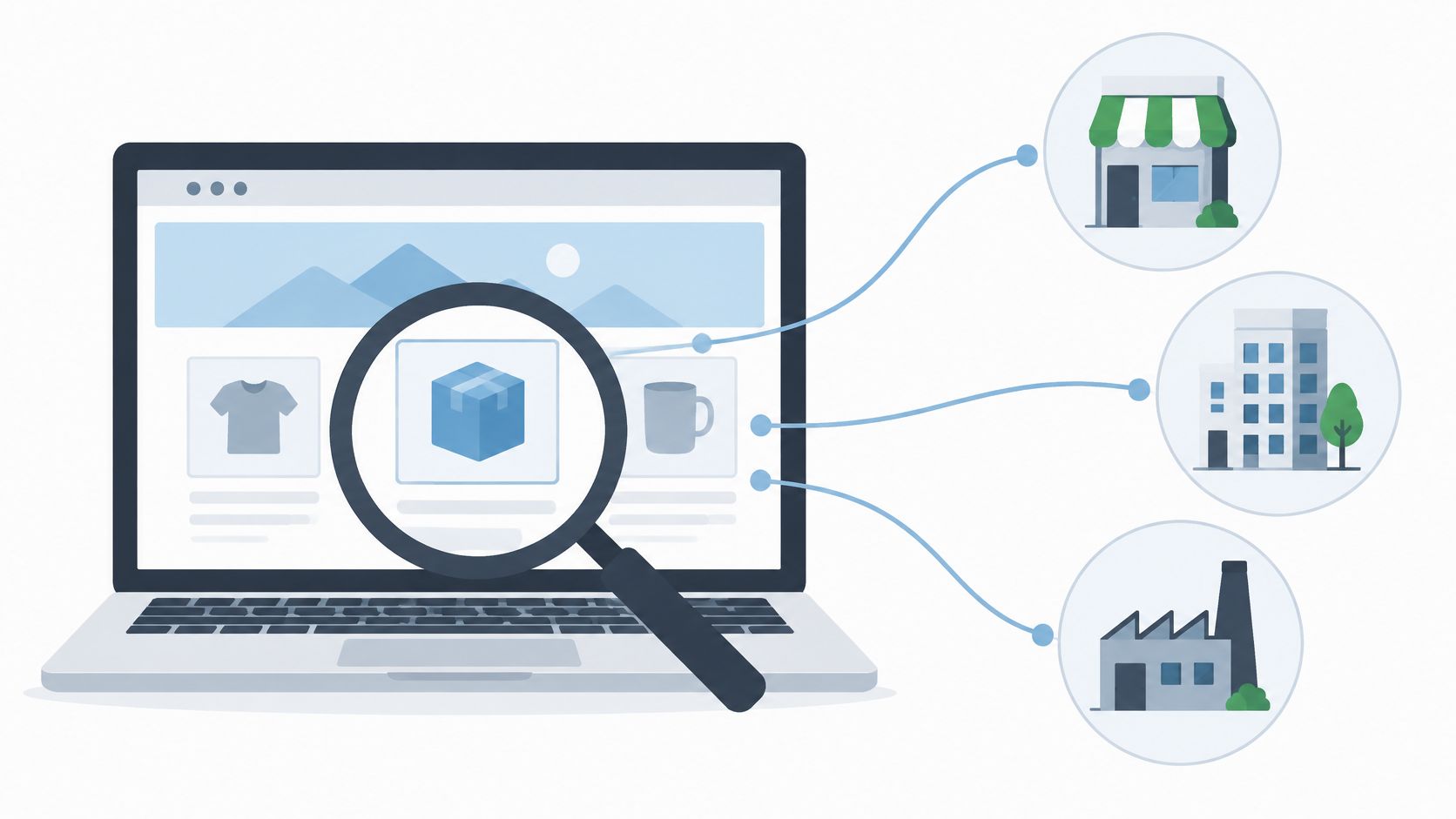
Use the prospect's product language, not a model's paraphrase. Automated descriptions misread companies, and a wrong description in line one tells the reader the email was machine-made. A human check on a sample, done before the send scales, is the control. The wider method sits in H2's guide on how to use AI for sales prospecting.
What the Full Scale case actually measured
H2 combined public company data with AI website analysis to see what businesses built, drop poor fits and prioritise accounts for outreach and account-based marketing. The programme analysed and scored 50,000 companies, narrowing them into a focused ABM audience. A scored list is the input. Meetings are what the emails still have to earn.
Record the date each site was read. Pages change, and a product description from six months ago will embarrass the sender. Sales intelligence tools can supply the public facts. They don't replace the fit score or the manual check on a sample.
5. Founder-Stage Demo Request Template
Stage, jurisdiction and a structural decision the founder already faces. That is the whole email. A generic demo invite, with three features and a calendar link, is the version that gets ignored.
Sample copy. "Hi [First name], companies at [stage] often need [specific structural decision]. We have set up a short demo showing how [outcome] works for teams in that position. Would Tuesday at 10am or Thursday at 2pm suit?"
Two concrete times cut the reply down to a yes. A wide open "whenever works" pushes the work back onto them.
Verify the stage from a public source, such as a funding note or the company page, before the line goes out. Keep the demo on one decision. Track show rate next to booking rate. A full calendar of no-shows is not a win.
Booked demos are the metric. Don't rewrite that as closed revenue. H2's Crescendo outbound programme generated 53 leads and confirmed 24 attendees for a San Francisco customer experience roundtable and fireside dinner, the sort of precise audience fit this template depends on.
The trade-off is speed against sloppiness. Matching the stage can produce meetings quickly when the offer fits. The same template, aimed at a founder who is past that decision, feels like you didn't look.
6. Lead Qualification Confirmation Template
Volume is the wrong scoreboard for an appointment-setting or lead-generation offer. This email asks the buyer to confirm what a useful conversation looks like before you spend a month supplying the wrong ones.
Sample copy. "Hi [First name], to make sure we only send you relevant conversations, could you confirm that a qualified lead for you is: a [role] at a [company size] [sector] business, with [specific trigger]? If anything needs changing, reply with the amendment and we will adjust."
Write the criteria in things you can see. Company size, role and a trigger beat labels like "forward-thinking" or "growth-minded". H2's note on how to qualify a lead is the place to tighten that definition before launch.
The confirmation only works if someone keeps checking it. For CIDT, H2 set up a shared workflow and a weekly review cadence, managing outbound as part of the client's sales process so each batch of leads was judged against the agreed definition rather than a vague impression. That cadence is what turns a one-off email into a working filter.
Report the results in three separate buckets.
- Lead volume is what you sent.
- Meetings are what showed up.
- Opportunities are what sales chose to work.
Review each batch, then change the criteria. Agree the definition of a qualified conversation before the first send. A fuzzy definition makes every later argument about quality impossible to settle.
7. Re-Engagement After Silence Template
Silence is not a puzzle to solve with a longer pitch. Many replies arrive on a follow-up, and a last note works when it offers a small useful thing and a real exit.
Sample copy. "Hi [First name], I have not heard back, so I will assume the timing is off. If it helps, we recently looked at how teams in [sector] handle [specific challenge], and I am happy to send the short summary. Otherwise, I will close this thread. Thanks for reading."
Say the thread is closed, and then close it. A "final" email that returns next Tuesday trains people to ignore you. Sequence length stays short. Suppress anyone who unsubscribed or replied no.
The legal floor is not optional on that last send. The FTC's CAN-SPAM guide states the law makes no exception for B2B email. Opt-out requests must be honoured within 10 business days, and the mechanism must keep working for at least 30 days after the message.
Before you scale the same close, check placement. Validity's benchmark records B2B inbox placement down 1.3 percentage points in 2025, with inbox rates of 83.0% on hosting platforms and 79.0% in corporate filtering environments. Delivery to the server is not the same as reaching the inbox. Authenticate with SPF, DKIM and DMARC. Gmail's bulk-sender guidance asks for a user-reported spam rate under 0.1%, and treats 0.3% as the level to avoid, which is 30 complaints in 10,000 delivered messages, per Gmail's sender guidance.
A practical follow-up pattern, including when to stop, is set out in H2's reminder email for follow-up.
The 7 templates at a glance
| Template | Best for | Core signal or trigger | Main risk |
|---|---|---|---|
| Referral-Gap Founder Introduction Template | Proven B2B firms seeking growth beyond referrals | Reliance on existing relationships limits reach | Generic messaging or unsupported outcome claims |
| Hiring-Signal Capacity Gap Template | Qualified accounts with relevant open roles | A current vacancy may indicate a capacity gap | Hiring may not signal a need or purchase intent |
| Competitor-Dissatisfaction Switch Template | Accounts using a competitor and showing signs of dissatisfaction | Evidence of workflow pain with current technology | Inaccurate signals or appearing to attack the incumbent |
| AI Website Analysis Account-Based Template | Account-based campaigns that need to prioritize large lists | Website analysis reveals product, market, and fit | Inaccurate or outdated AI summaries |
| Founder-Stage Demo Request Template | Founders facing a specific stage-related decision | Company stage, jurisdiction, or structural needs | Stale stage data or a mismatch with current priorities |
| Lead Qualification Confirmation Template | Lead-generation services seeking better-fit conversations | Prospect confirms or amends qualification criteria | Added friction or overly lengthy criteria |
| Re-Engagement After Silence Template | Prospects who have not replied to earlier messages | Silence after several outreach attempts | Overuse can annoy prospects and harm sender reputation |
Choosing a Template and Making It Work
Pick the template that matches a context you can evidence. A referral ceiling, an open role plus a second signal, a dated sign of tool strain, a scored account, a verified founder stage, a written lead definition, or a thread you are willing to end. If you can't point at the signal, don't send that version.
Qualify the account before the copy. A vacancy, a technology choice or a public post does not by itself prove buying intent. It only earns the right to ask a narrow question.
Treat the follow-up as part of the plan. Decide the last touch when you write the first one, and build suppression into the workflow so a no stays a no.
H2, a B2B go-to-market firm in Bournemouth, offers a free GTM strategy and a 15-minute introductory call for teams that want to pressure-test the audience before they add volume. Fully Managed Outbound covers research, copywriting, sending infrastructure, reply handling and meeting booking for companies with a proven offer and the capacity to take sales conversations, but without the time to run the function in-house. The client keeps the commercial context and the sales calls. H2 runs the system that produces them.
That split matters when growth still depends on founder relationships and the list is too broad to trust. The template is the last decision, not the first. Timing outreach to real buying intent only helps after the signal and the qualification rule are written down.
H2 builds and runs B2B outbound for teams that need qualified meetings without standing up the whole function themselves, from the buyer signal through the email to the booked conversation. If the templates above match a pipeline problem you already have, start with a look at how H2 scopes the work, then book the introductory call and bring one live segment with you.
